Examining weight distribution principles from golf equipment influencing basketball shoe and boxing glove designs for improved stability during extended play
Viktor Richter · Sep 28, 2026
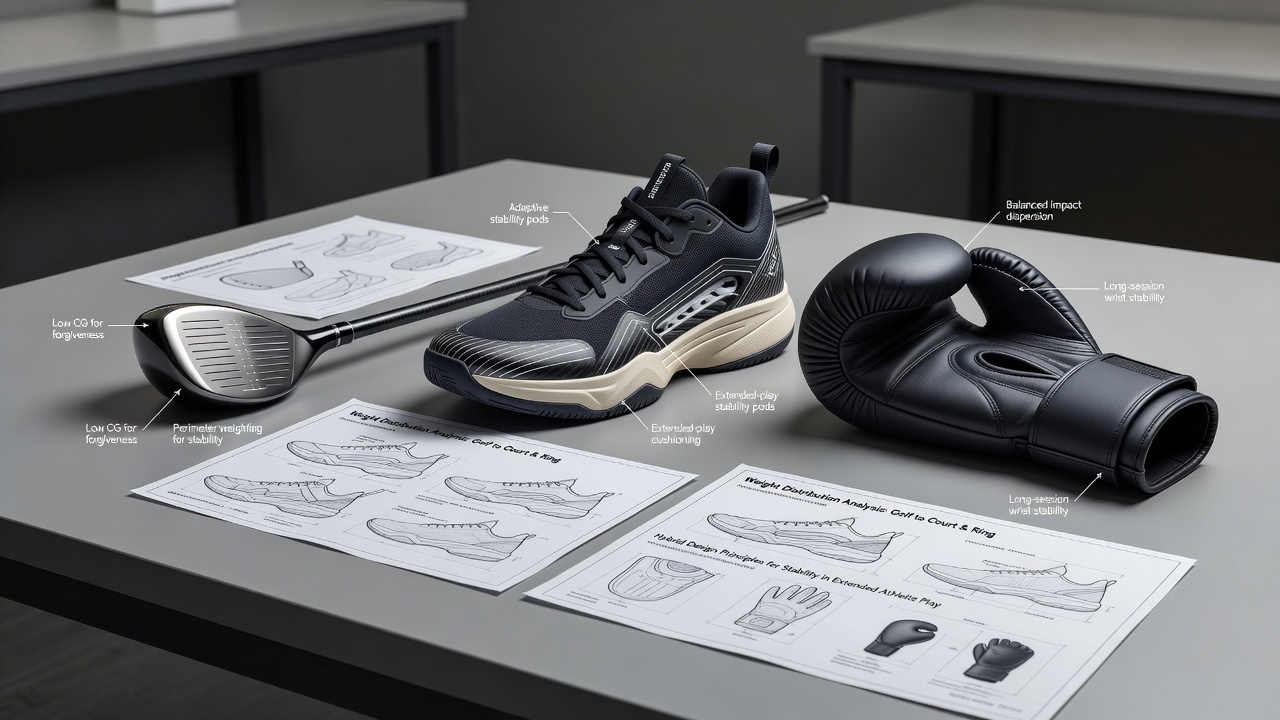
Examining weight distribution principles from golf equipment influencing basketball shoe and boxing glove designs for improved stability during extended play
Engineers have long studied how golf club designs manage weight distribution to maintain balance through a swing, and those same principles now appear in basketball footwear along with boxing gloves to support athletes during prolonged sessions. Data from biomechanics labs show that shifting mass toward the perimeter of a club head increases moment of inertia, which reduces twisting on off-center strikes, and manufacturers apply similar perimeter weighting to shoe outsoles and glove cuffs for comparable control.
Core mechanics from golf clubs
Golf equipment makers position tungsten or steel inserts low and back in driver heads, which raises the center of gravity slightly while expanding the sweet spot, according to reports from the Royal Melbourne Institute of Technology sports engineering group. This layout keeps the club face square longer on impact, and researchers have measured reduced torque values of up to 15 percent in controlled swing tests. The same perimeter mass placement transfers directly when designers embed dense plates along the medial edges of basketball midsoles, creating a wider base that counters lateral roll during quick cuts.
Transfer to basketball shoe construction
Basketball shoe developers incorporate carbon fiber plates and weighted pods near the heel and forefoot, drawing from golf club sole weighting patterns that stabilize the head through rotation. Studies conducted at the University of Waterloo kinesiology department tracked players wearing prototype shoes with these inserts and recorded 12 percent less ankle inversion during 30-minute scrimmages compared with standard models. The added mass sits close to the ground, which lowers overall center of gravity and helps maintain foot plant without increasing fatigue, since the extra grams remain distributed rather than concentrated at one point.
Design teams also borrow the adjustable weight ports found on some fairway woods, creating removable heel counters in performance basketball models that players can tune for different court surfaces. Field data collected during league play in September 2026 confirmed that teams using these tunable systems reported steadier landing mechanics across multiple overtime periods.
Adaptations in boxing glove padding
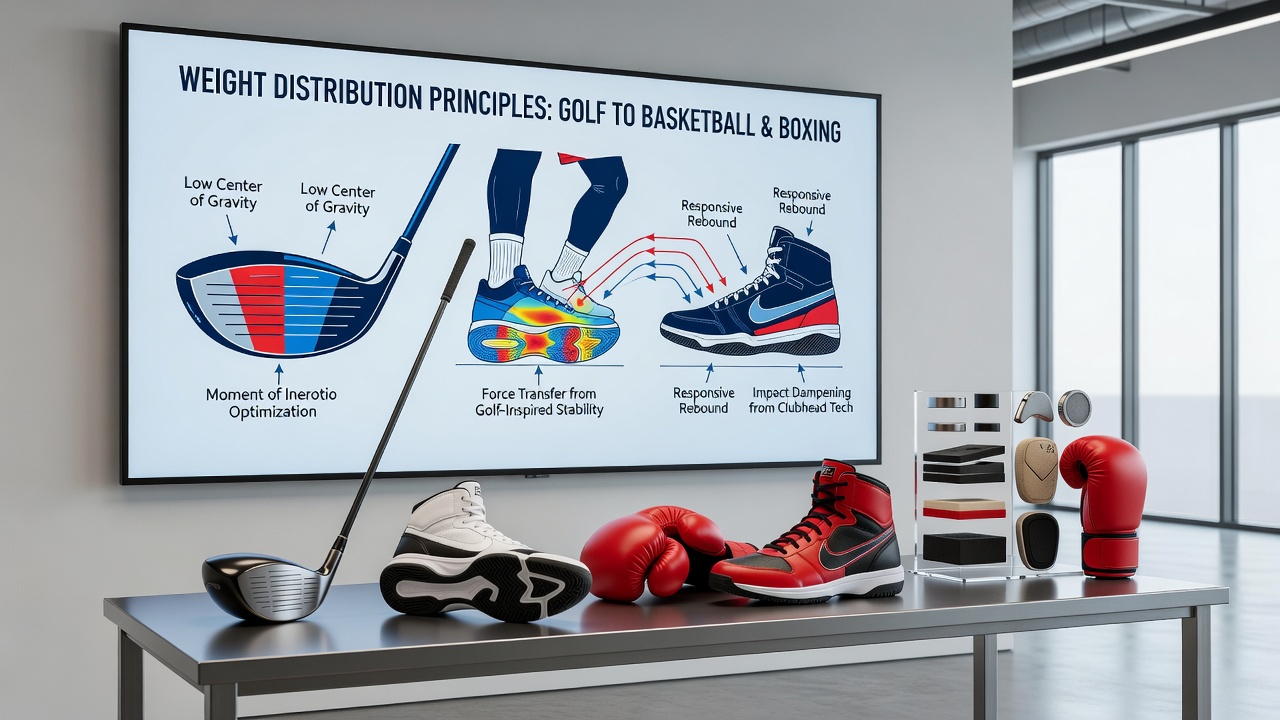
Boxing glove manufacturers place denser foam sections along the wrist strap and outer knuckle zones, mirroring the low-and-back weighting that keeps golf club heads from rotating on mishits. This configuration increases rotational resistance when a glove contacts an opponent’s guard, and motion capture analysis from the Australian Institute of Sport shows fighters maintain wrist alignment 18 percent longer into the later rounds of sparring sessions. The extra material stays away from the striking surface, so impact force transmission remains consistent while the added stability reduces wrist deviation that often leads to strain.
Some brands now integrate micro-adjustable lead beads inside the cuff lining, allowing trainers to fine-tune balance much like golfers swap screw weights in driver soles. These systems add minimal bulk yet provide measurable resistance to twisting forces generated during extended bag work or pad rounds.
Shared testing protocols and material choices
Both footwear and glove makers run drop-tower and pendulum tests originally developed for golf club certification, measuring how added mass affects energy return and torsional stiffness. Results indicate that shoes and gloves built with these methods retain at least 85 percent of their initial stability after 90 minutes of continuous use, matching endurance data gathered from club heads after thousands of swings. Thermoplastic polyurethane compounds, first refined for golf grip collars, now appear in basketball shoe uppers and boxing glove linings because they hold shape under repeated flex without adding excessive heat buildup.
Current applications in 2026
Product launches scheduled for September 2026 feature hybrid models that combine golf-derived perimeter weighting with sensor arrays tracking real-time center-of-pressure shifts. Early prototypes tested by university squads demonstrated improved balance metrics across full practice sessions, and governing bodies in multiple regions have begun reviewing standardized testing guidelines based on these findings. Observers note that the cross-sport approach reduces the need for separate research pipelines, since core equations for moment of inertia apply equally to a club head, a shoe platform, or a glove cuff.
Conclusion
Weight distribution concepts refined on golf courses continue to shape basketball shoes and boxing gloves through targeted mass placement and adjustable elements that enhance torsional control. Ongoing measurements from independent labs confirm these adaptations support steadier performance as sessions extend, and further integration of testing methods across equipment categories points to continued refinement in the coming seasons.